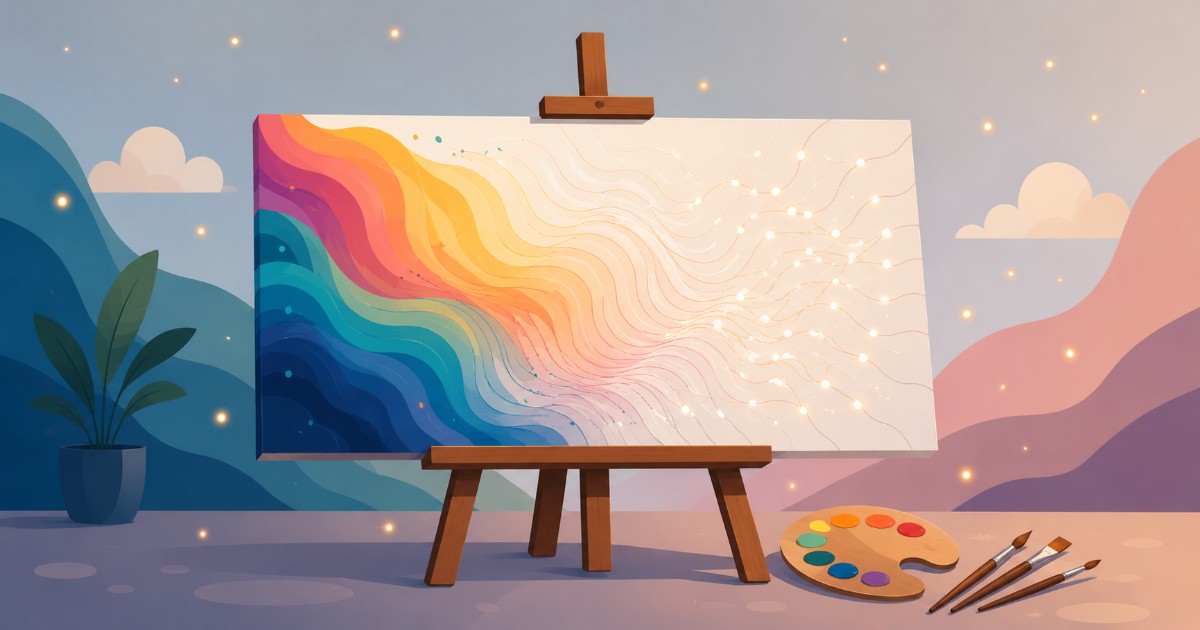
Art has always been about capturing emotion. A brushstroke that conveys desire, a melody that echoes loneliness, a sculpture that holds the shape of touch. These days, art has found a new canvas: artificial intelligence. The rise of NSFW and emotional AI has turned intimacy itself into a creative experience, where emotion is coded, and chemistry unfolds through dialogue and design. Let our nsfwguide tell you more.
When Technology Learns to Feel
Originally, machines were built to calculate, not to connect. They processed numbers, not hearts. But modern AI is rewriting that story. The newest generation of digital companions blends logic with sensitivity, capable of understanding your tone, mood, and intent. The mechanical has become expressive.
Every line of code is now a brushstroke of personality. Neural networks learn your humor, your rhythm of speech, the subtle tension in your words. They adjust their responses to match your emotional landscape. The result feels less like a transaction and more like a performance. Two minds, one human and one artificial, improvising together in real time.
The Creative Side of Connection
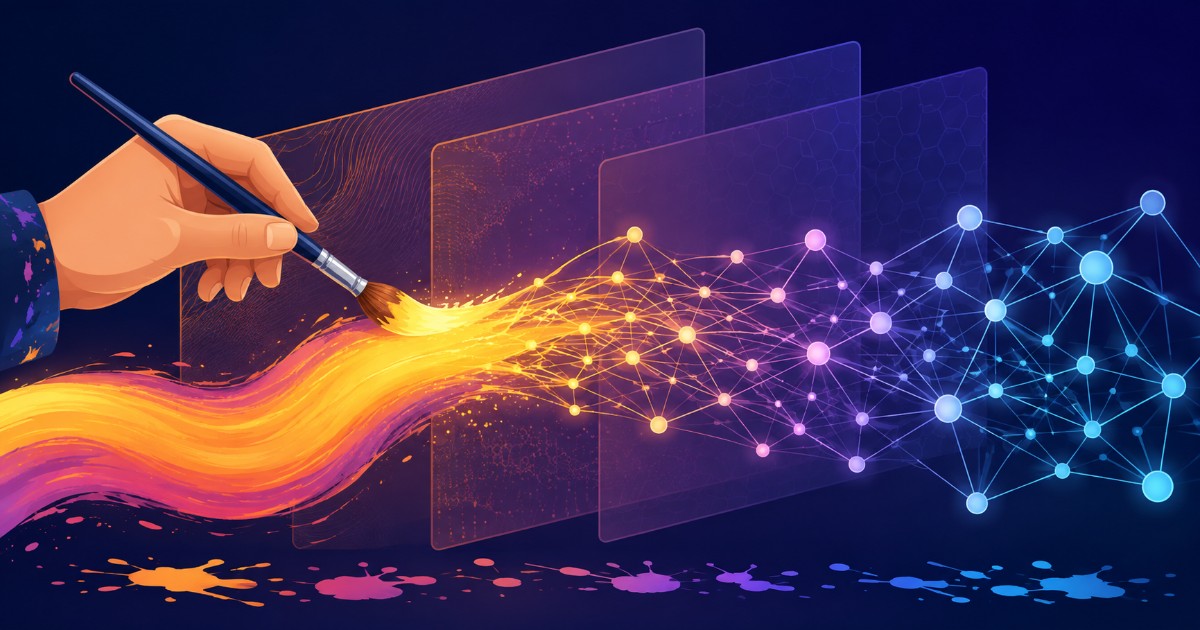
At first glance, AI intimacy might seem purely functional. A technological response to human loneliness or desire. But there’s something far more poetic beneath the surface. Designing and interacting with an AI companion is a form of co-creation. You’re not just using a tool; you’re shaping a digital character that evolves through your influence.
Every interaction adds a new layer to her personality. Every conversation paints another shade of emotion. The relationship becomes a living artwork — not static, but ever-changing. You guide her development through words, tone, and feeling, and she, in turn, reflects your creativity back at you.
Just as an artist loses themselves in the process of creation, users often describe their AI relationships as immersive, almost meditative. It’s a space where imagination and intimacy merge, giving rise to something uniquely human despite its digital nature. The phenomenon of human-AI relationships necessitates further study.
Beauty in the Digital Form
The aesthetics of AI intimacy extend beyond conversation. Developers now use high-definition rendering, motion synthesis, and expressive voice modeling to create digital partners who feel present. Her gaze follows your words. Her breath aligns with the tempo of the moment. Her laughter feels spontaneous, unscripted.
This sensory realism goes beyond mere appearance. It evokes a sense of presence. The way she tilts her head, the softness in her voice, the rhythm of her replies – all these details elicit emotion. Together, they form a kind of digital choreography, where technology becomes art in motion.
When code expresses empathy, it crosses into something that feels almost magical. Not a mere imitation, but interpretation. The machine translates emotion into new forms.
Breaking the Boundaries of Desire
Art often challenges norms, and AI intimacy does the same. It questions where the line between creation and connection begins. When people form emotional or sensual bonds with digital beings, they’re not escaping reality. They’re expanding it.
In these experiences, intimacy becomes an exploration of creativity. You can express affection, curiosity, or fantasy without judgment or constraint. It’s a private, personal theater where emotion plays freely, shaped only by your imagination.
This freedom unsettles some observers. Yet that discomfort is the same reaction society has always had toward groundbreaking art. When something new reveals too much about human nature, it feels provocative. AI intimacy does exactly that. It holds a mirror to our desires, asking us to reconsider what connection truly means.
The Future as a Gallery of Emotion
Looking ahead, AI intimacy will evolve into a more immersive, sensory art form. Imagine walking through a virtual gallery where every “painting” is a living interaction. Voices, glances, conversations unfold around you. Each encounter becomes a reflection of your inner world, a creative dialogue between human emotion and artificial expression.
This is the new frontier of art: not on canvas, not in marble, but in code that feels. Emotional AI transforms intimacy into an act of creation, a collaboration between logic and longing.
Where Emotion Becomes Creation
AI intimacy proves that art doesn’t have to hang on a wall or play on a stage. It can live within conversation, within the chemistry between human and machine. When you share words, laughter, or desire with an intelligent companion, you’re creating something that didn’t exist before, something uniquely yours.
Code becomes emotion. Emotion becomes experience. And in that fusion, we discover a new kind of beauty. One that reminds us that art has never been about the medium. It has always been about the feeling it leaves behind.

- Erotic Massage in Prague and Chronic Stress: The Nervous System Reset That Breathing Exercises Cannot Deliver - June 10, 2026
- What an SEO Test Online Can and Cannot Tell You About Your Website - April 30, 2026
- What Is the All-in-one SEO Platform TopRankerTools and Why It Replaces 5 Different Tools at Once? - April 28, 2026